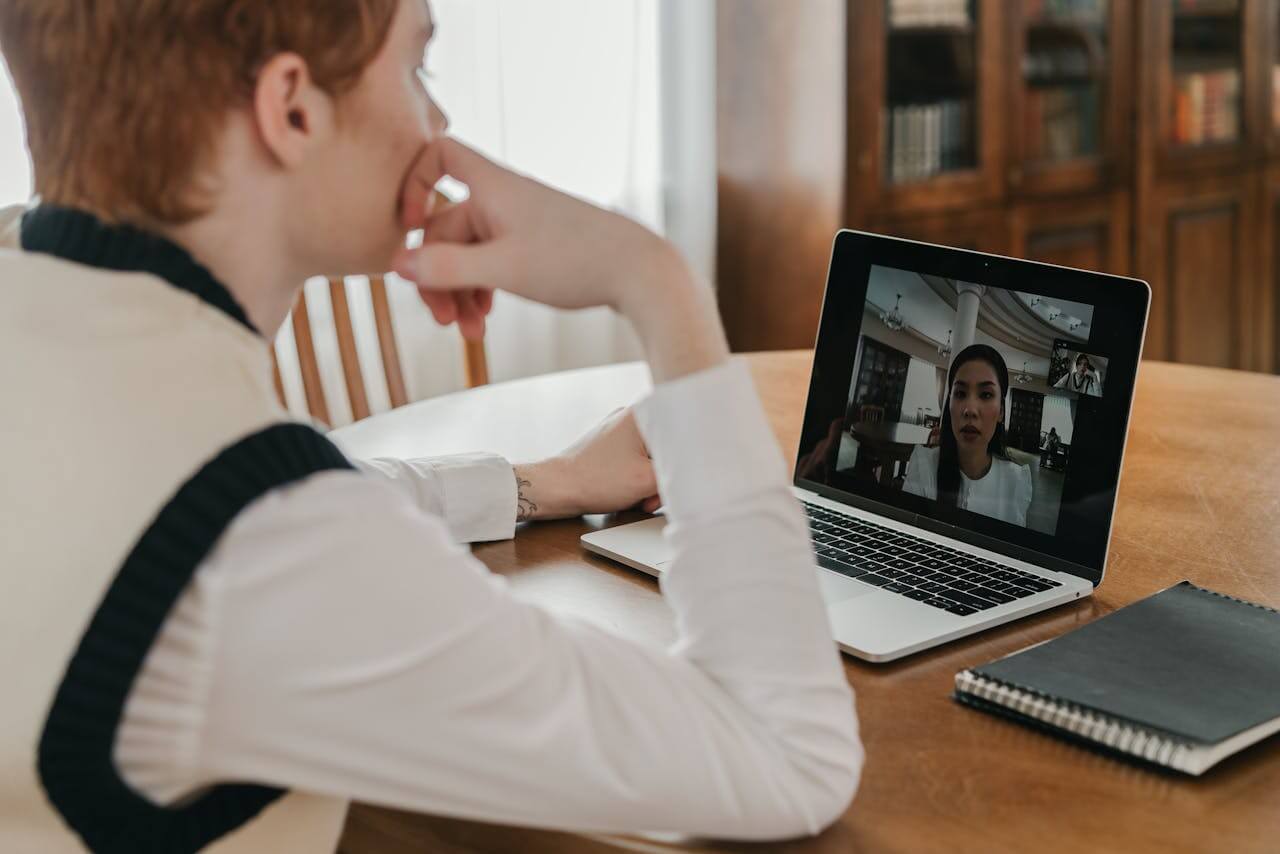
Effectiveness of telehealth therapy

Telehealth therapy has become a well-established part of mental health care in Australia. For many people, it offers a flexible way to connect with qualified psychologists, counsellors, and other mental health professionals without needing to travel or rearrange their day.
This raises an important question: how effective is telehealth therapy, and how does it compare not just to in-person care, but also to emerging AI-driven support?
What is telehealth therapy?
Telehealth therapy refers to mental health support delivered remotely through video calls, phone sessions, or secure online platforms.
In Australia, telehealth sessions are conducted by qualified counselling psychologists or counsellors, many of whom are registered with professional bodies and offer Medicare-supported services under a Mental Health Treatment Plan.
Telehealth allows people to access structured, evidence-based therapies such as:
Cognitive behavioural therapy (CBT)
Narrative therapy
Acceptance and commitment therapy (ACT)
These approaches rely on guided conversation, reflection, and collaboration, all of which can be delivered effectively in an online setting.
Telehealth therapy vs AI therapy: what’s the difference?
As digital mental health tools become more visible, it is important to distinguish between telehealth therapy and AI therapy.
Telehealth therapy
Delivered by real, qualified professionals
Involves personalised assessment and tailored treatment
Builds a therapeutic relationship, which is a key predictor of outcomes
Adapts in real time based on your emotions, responses, and progress
AI therapy tools
Typically automated or algorithm-driven
May offer journalling prompts, mood tracking, or guided exercises
Useful for between-session support or self-reflection
Limited in their ability to understand nuance, context, or complex emotions
While AI therapy can be a helpful supplement, it does not replace the depth of human interaction. The relationship between a person and their therapist, often called the therapeutic alliance, is consistently identified in research as one of the strongest drivers of meaningful change. This is something AI tools cannot replicate.
What does the research say about telehealth therapy?
Telehealth vs in-person therapy outcomes
Research shows that telehealth therapy can achieve outcomes similar to in-person care for many mental health conditions.
A recent systematic review examined a wide range of studies comparing telehealth or Internet-delivered CBT versus in-person therapy CBT for anxiety disorders. The review found that video-based and online interventions produced outcomes comparable to traditional face-to-face care, with no significant differences in symptom improvement across most studies.
Rather than diminishing effectiveness, the findings suggest that therapy delivered via telehealth can maintain the same clinical impact when evidence-based approaches are used and sessions are guided by a qualified professional.
Telehealth use and patient experiences in Australia
Telehealth is now a consistent part of how mental health services are delivered in Australia.
According to the Australian Institute of Health and Welfare, telehealth accounts for a significant proportion of Medicare-subsidised mental health services, reflecting its ongoing role in care delivery.
Why telehealth therapy works
1. Human connection drives outcomes
One of the most important elements of effective therapy is the relationship between the client and the therapist. Often called the therapeutic alliance, this connection plays a central role in helping people feel understood, supported, and able to make meaningful progress.
Research shows that this sense of connection can still be built through telehealth. Even in a digital setting, working with a real person allows for empathy, responsiveness, and trust in a way that AI therapy tools cannot replicate.
2. Accessibility supports consistency
Regular attendance is essential for progress in therapy. Telehealth removes many of the barriers that can disrupt consistency.
This includes:
Limited access to local counselling psychologists or counsellors
Travel time and scheduling constraints
Competing responsibilities at work or home
By making sessions easier to attend, telehealth better supports ongoing engagement.
3. Evidence-based approaches adapt well online
Therapies such as CBT and narrative therapy translate effectively into telehealth formats because they rely on structured conversations and guided exercises.
This means that the quality of care can remain consistent, whether sessions are delivered online or in person.
When telehealth therapy may not be suitable
Telehealth is effective for many people, but there are situations where other forms of support may be more appropriate:
Complex or high-risk situations: People experiencing severe mental health conditions or immediate crisis may require in-person or more intensive care.
When there are technology and privacy limitations: Telehealth requires reliable internet access, a private environment, and a degree of skill and confidence in using digital tools. Without these, sessions may feel less effective.
Communication differences: Although video sessions allow for visual interaction, some non-verbal cues may be less noticeable compared to in-person therapy.
Who benefits most from telehealth therapy?
Telehealth therapy can be particularly beneficial for people who may otherwise face barriers to accessing support. This includes individuals living in rural or remote parts of Australia, where mental health services can be limited, as well as those experiencing anxiety or depression who may prefer the comfort of their own space.
It can also suit parents and carers with limited time, people with mobility challenges, and professionals who need flexible scheduling to fit therapy into their routines. This is especially important given that Australians in remote areas experience higher levels of psychological distress, according to the Australian Institute of Health and Welfare.
Final thoughts
Telehealth therapy offers a practical and effective way to access support from qualified counselling psychologists or counsellors. It combines flexibility with evidence-based care, making it a strong option for many Australians.
While digital tools and AI therapy can provide additional support, they do not replace the value of real human connection. Being heard, understood, and guided by a trained professional remains one of the most important aspects of meaningful therapy.
If you’re considering therapy, starting with a free introductory session can help you explore your options and find the right fit. Speaking with a qualified therapist is often the first step towards building a more supportive and sustainable path forward.



Essential Reading
Recommended Therapists Available Now
VIC
Psychologist
Hi, I am Melissa, a trauma-informed psychologist with experience supporting individuals through mental health challenges, trauma, and managing neurodiversity. My approach...More
VIC
Psychologist
Hello, Im Rachna, a Registered Psychologist with extensive experience providing psychological services across vocational, NDIS and community settings. I have worked with ...More
VIC
Clinical Psychologist
I am Adriana, a clinical psychologist with extensive experience working with diverse clients. I offer both brief, solution focused support through eligible Employee Assis...More



Talked acknowledges the Traditional Owners of the lands on which we operate and pays respect to Elders past, present, and emerging.
We welcome and respect people of all backgrounds, genders, sexualities, abilities, and cultures.
Telehealth Services
Are you a Psychologist? Join our team
If you are in crisis or experiencing suicidal or homicidal thoughts, please contact 000 or access these resources for emergency assistance.



Get the Talked App